
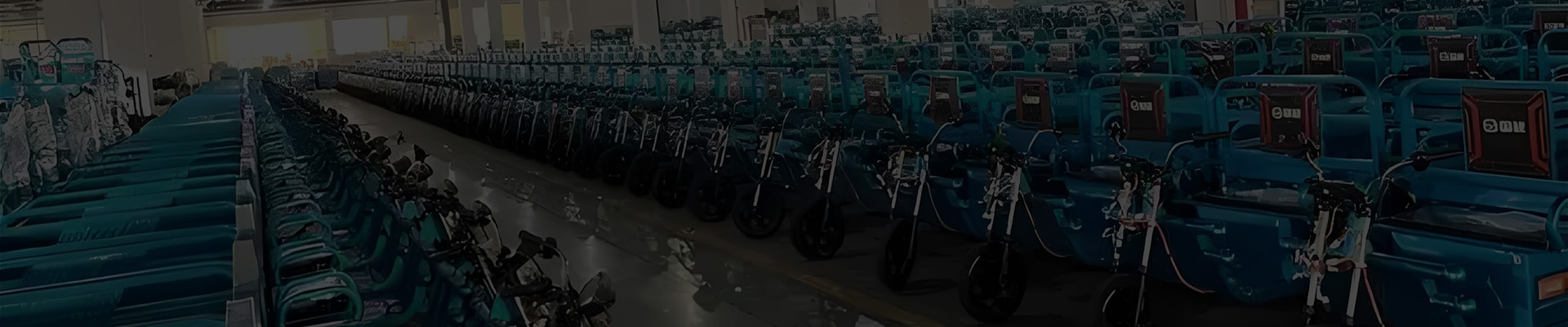
Industry Insight — Chinese Electric Tricycles Go Global: From "Sanbengzi" to Worldwide Sensation
Industry Knowledge — Global Demand & Market Trends
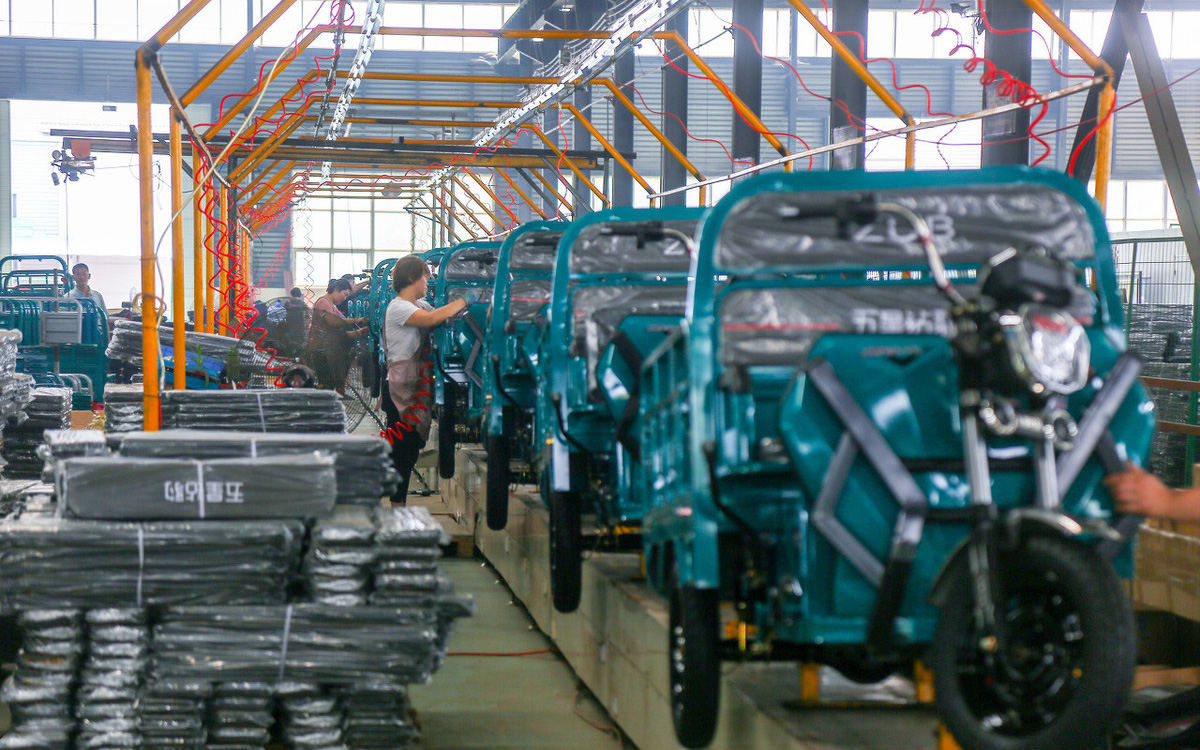
In recent years, the humble Chinese electric tricycle — affectionately known as "sanbengzi" — has transformed from a domestic workhorse into a global phenomenon. From the streets of Turkey and the narrow alleys of Cape Verde to the farms of the United States, these versatile vehicles are conquering markets worldwide.
A Sichuan-based manufacturer reported that its orders are scheduled through the next two years, with a dealer in Türkiye selling over 1,000 units within days of receiving them and immediately placing a new order for more than 3,000 additional units . The company received orders for 40,000 units in the first three months of 2026 alone — already eight times its total order volume for the entire year of 2025 .
According to Chengdu Customs, Sichuan's exports of electric tricycles and bikes increased by 142.4% year-on-year from January to April 2026, with shipments reaching buyers in 68 countries and regions . Similarly, data from Jiangsu Province shows that electric tricycle exports from Fengxian County reached 390 million yuan in the first five months of 2026, surging by 99.3% year-on-year .
What's driving this explosive demand?
Global Fuel Prices & Carbon Reduction Goals
Compared with gasoline-powered vehicles, Chinese electric tricycles cost far less to run and cover a much wider range of uses. Rising global fuel prices and carbon-reduction goals have amplified demand across continents .
Versatility & Adaptability
Chinese electric tricycles are designed to handle diverse terrains. The mountainous terrain and highland roads of Sichuan have long tested these vehicles, giving them a reputation for strong torque, durability, and broad adaptability . This same ruggedness makes them equally at home on the high-altitude passes of Peru, the sun-baked highways of the Middle East, the busy city streets of West Africa, and the rough rural tracks of Central Asia.
Affordability & Low Operating Costs
In Cape Verde, a mother of five purchased a Chinese-made electric tricycle for approximately $1,493 to make her work easier. With no fuel costs, it became her affordable and dependable work companion . In the Philippines, one dealer noted that the cost of riding an electric vehicle is only one-tenth that of using gasoline — the money saved in a year is enough to buy another electric vehicle .
The Regional Phenomenon
Fengxian County in Jiangsu Province, China's largest electric tricycle manufacturing hub, now boasts around 60% of the domestic market and is home to more than 1,400 manufacturers of vehicles and components . Meanwhile, Sichuan's Anju Economic and Technological Development Zone has become a national hub for the industry, ranking first in southwest China and third nationally in production capacity .
The global wave of Chinese electric tricycles is not just a flash in the pan. According to the United Nations Environment Programme (UNEP), promoting electric two-wheelers and three-wheelers in Asian and African countries is a key strategy to reduce air pollution and greenhouse gas emissions . UNEP data shows that Asia currently has 490 million gasoline-powered two- and three-wheeled vehicles, presenting enormous potential for electrification .
Industry Insight — Chinese El