

AI and Smart Technology Lead the Revival of the Cycling Industry
The global cycling industry is pinning its hopes on artificial intelligence to breathe new life into the market after years of sluggish sales. At the recent Eurobike 2026 trade fair in Frankfurt, AI-enabled smart bicycles emerged as the clear highlight, signaling a shift from traditional e-bikes to intelligent mobility solutions.
According to consulting firm EY-Parthenon, the European bicycle market contracted for the third consecutive year in 2025, with sales falling 4 percent to 15.2 million units. The industry has been undergoing a painful consolidation since 2023, weighed down by lower sales, high inventories, and strong pricing pressure. Despite these headwinds, the market is expected to stabilize in 2026 before slowly recovering, with revenue forecast to reach 21.2 billion euros by 2031.
AI Technology Takes Over
Artificial intelligence, long used in cars and smartphones, is now entering the cycling world across multiple fronts. At the Avinox booth — a brand of e-bike motors owned by Chinese drone specialist DJI — developers demonstrated a motor system that uses sensors to continuously monitor the rider's movements and terrain conditions, allowing AI to automatically adjust motor assistance in real time. The system can even receive real-time heart rate data from the rider to fine-tune support levels.
"This makes the ride easier and safer without having to think about it," said Avinox developer Ferdinand Wolf.
German bicycle manufacturer Canyon unveiled a racing bike equipped with cameras and radar that can detect blind spots and predict hazards. The system can anticipate a parked car opening its door and warn the cyclist via visual signals on the frame, handlebar vibrations, or alerts inside the helmet. Canyon is also developing a communication system with Volkswagen that would allow bicycles to interact with surrounding vehicles and infrastructure, with a projected launch in about three years.
AI Transforming Services
Beyond hardware, artificial intelligence is also shaking up services. Insurer Linexo announced that around 90 percent of claims will be handled automatically by the end of the year, while startup Wunderfix offers an app that connects riders with repair shops and allows cyclists to diagnose and fix simple problems themselves.
Market Disruption in Southeast Asia
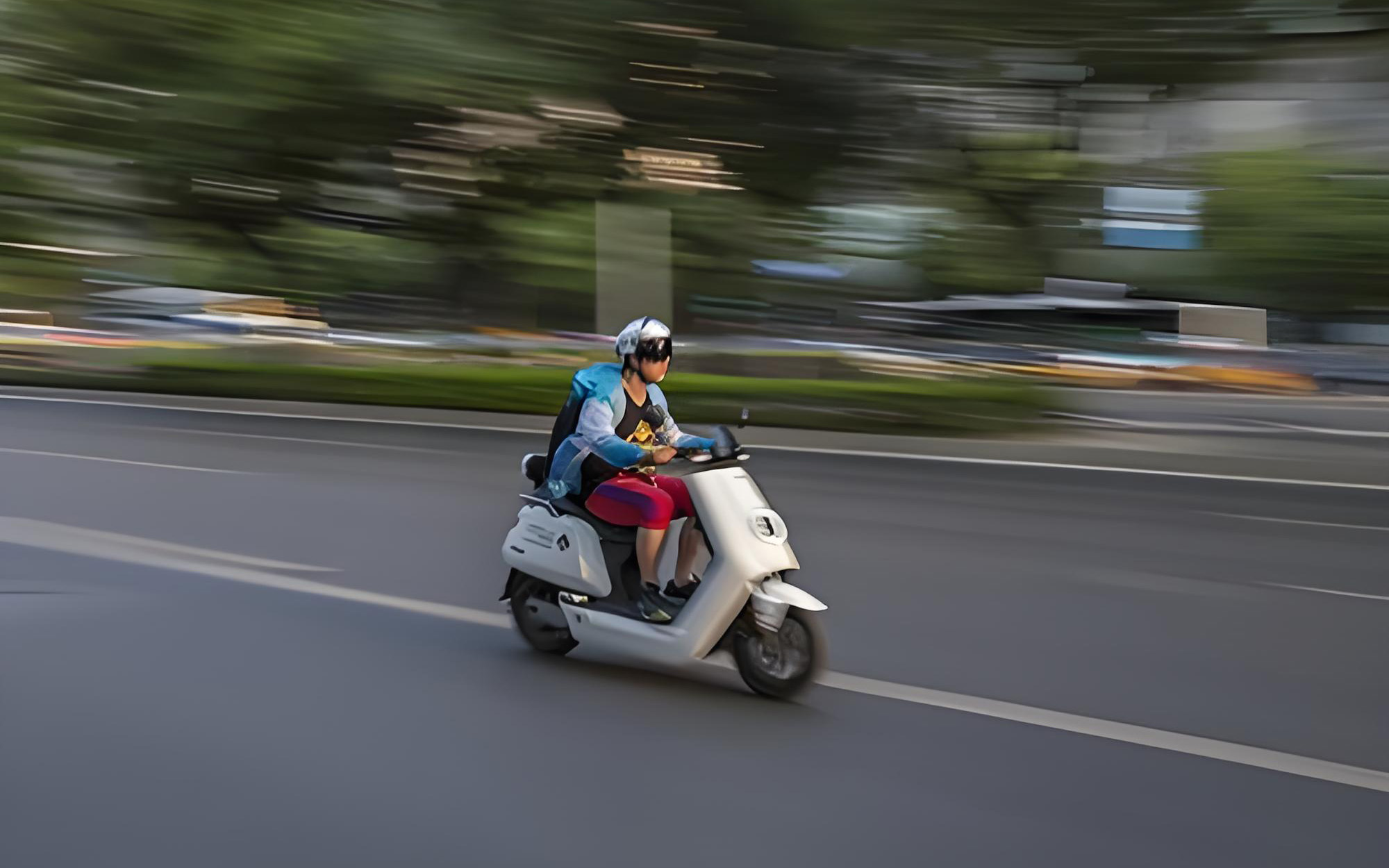
Meanwhile, the e-bike market in Southeast Asia is seeing rapid growth. Movion, a start-up based in Wuxi National Hi-Tech District, has not sold a single e-bike in China but has already become one of the fastest-rising players in Indonesia. The company began mass production in April, shipping over 11,000 units in its first month and climbing to 16,000 in May, breaking into the top five of Indonesia's e-bike market. Between February and May, the company's exports exceeded 30 million yuan ($4.42 million).
Indonesia, home to about 280 million people and an estimated 150 million motorcycles, has fewer than five million e-bikes, presenting a huge growth opportunity. Government incentives encouraging consumers to switch from fuel-powered motorcycles to electric alternatives are fueling demand. Movion plans to expand into other Southeast Asian markets, as well as Latin America and Africa, aiming to surpass one million global sales within three years.
What This Means for Manufacturers
The industry is at a turning point. Experts note that E-bikes are becoming more than just practical transportation — they are evolving into data-driven platforms. European consumers, who account for over 70 percent of the global E-bike market, are showing increasing willingness to pay a premium for high-tech, intelligent products.
For manufacturers like Hebei Chenglang, the message is clear: staying competitive means embracing both traditional strengths in quality and manufacturing efficiency while exploring opportunities in smarter, more connected vehicle solutions for the diverse global markets they serve.
AI and Smart Technology Lead t
 Essential Maintenance Guide fo
 Customization is Key: How Chin