
Customization is Key: How Chinese Manufacturers Win Global Markets
Product Strategy & OEM/ODM Services
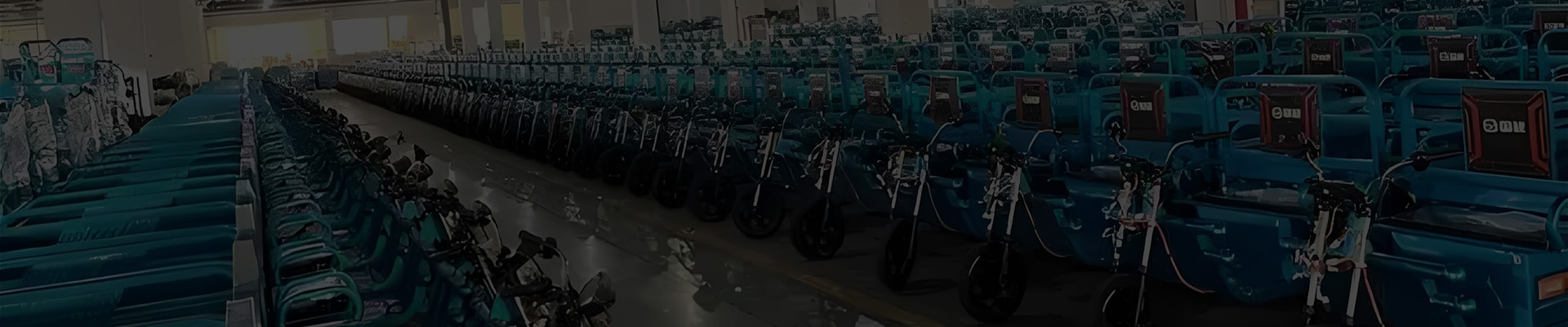
One of the key reasons behind the global success of Chinese tricycles is the ability to customize products for specific markets. Manufacturers have moved away from a "one model fits all" approach to embrace differentiated strategies that precisely match local needs.
Localized Design for Local Needs
A leading manufacturer in Sichuan now produces more than 60 models with over 100 variants, each tailored to specific markets:
A red model fitted with a Bluetooth speaker, reversing radar, and cupholder ships exclusively to Türkiye
A deep-blue variant capable of carrying one tonne with an auto-loading system is designed for the U.S. market
A new white model with refrigeration capability is bound for African street vendors selling cold drinks and ice cream
Similarly, Jiangmen-based manufacturers have adopted a strategy focused on "adaptation":
For African markets with complex road conditions and high cargo demand: heavy-duty, durable fuel-powered tricycles
For Southeast Asia's short-distance travel needs: quiet, comfortable electric "tuk-tuk" style vehicles
For South American farms with mountainous terrain: high-horsepower, agile specialized models
The Importance of OEM/ODM Capabilities
This flexibility is built on China's complete industrial chain for tricycle manufacturing. As industry experts note, "Nearly every type of global demand for short-distance travel can be met in China, because the domestic market is so diverse and covers almost all application scenarios" . The advantage of a complete industrial chain not only helps reduce costs but also drives upgrades and innovation .
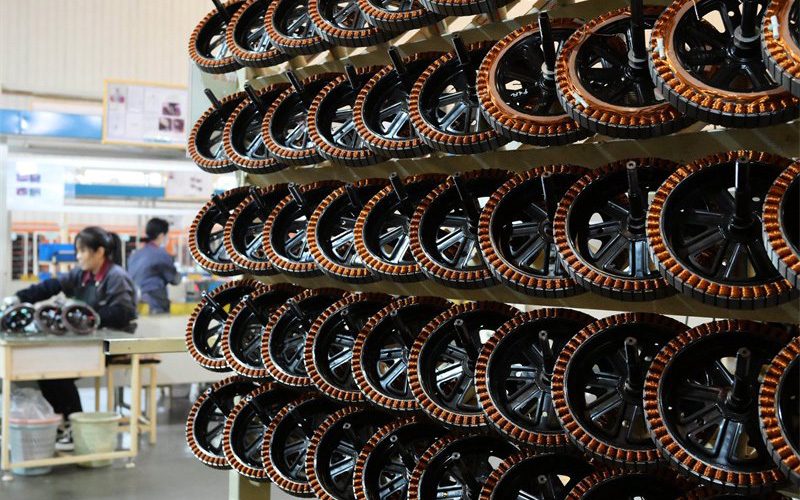
By offering full OEM (Original Equipment Manufacturer) and ODM (Original Design Manufacturer) services — from color and branding to performance specifications — Chinese manufacturers can tailor their products to match local demand. This means whether a client needs a cargo tricycle with solar charging for rural Africa, a passenger vehicle with entertainment systems for Southeast Asia, or a heavy-duty workhorse for South American farms, it can be produced.
Beyond "One Model Fits All"
This strategy has proven highly effective. One leading company from Jiangmen noted that, with the help of local customs authorities and an AEO (Authorized Economic Operator) certification, its export order value grew by nearly 20% year-on-year .
To sustain this momentum, however, companies must navigate varied regulatory requirements across countries and strengthen localized service capabilities . As the industry moves forward, the focus is shifting from simply "selling products" to providing comprehensive solutions — customization, after-sales support, and compliance with local standards.
 AI and Smart Technology Lead t
 Essential Maintenance Guide fo
Customization is Key: How Chin
Essential Maintenance Guide fo
Customization is Key: How Chin